Essential Books for Family Growth and Counseling Support
Family dynamics can be complex, and navigating them often requires guidance and support. Whether you are looking to strengthen your family bonds, improve communication, or seek counseling strategies, books can be invaluable resources. In this post, we will explore essential books that can aid in family growth and provide counseling support. These books offer insights, practical advice, and strategies that can help families thrive.

Understanding Family Dynamics
Before diving into the recommended books, it’s important to understand what family dynamics are. Family dynamics refer to the patterns of interaction between family members. These patterns can significantly influence the emotional and psychological well-being of each individual within the family unit.
Key Elements of Family Dynamics
Communication: Open and honest communication is crucial for healthy family relationships.
Roles: Each family member often plays a specific role, which can affect how they interact with one another.
Boundaries: Healthy boundaries help maintain respect and individuality within the family.
Conflict Resolution: How families handle disagreements can either strengthen or weaken their bonds.
Understanding these elements can help you identify areas for improvement and growth within your family.
Recommended Books for Family Growth
Here are some essential books that can guide families in their journey toward growth and better communication.
1. The 7 Habits of Highly Effective Families by Stephen R. Covey
This book is a classic in the realm of family development. Covey applies his well-known principles of effectiveness to family life, providing a framework for building strong family relationships.
Key Takeaways:
Focus on shared values and goals.
Create a family mission statement.
Foster open communication and trust.
2. How to Talk So Kids Will Listen & Listen So Kids Will Talk by Adele Faber and Elaine Mazlish
This book is a must-read for parents looking to improve their communication with their children. Faber and Mazlish provide practical techniques for addressing children's feelings and fostering cooperation.
Key Takeaways:
Acknowledge children's feelings to promote understanding.
Use effective communication techniques to resolve conflicts.
Encourage problem-solving skills in children.
3. The Family Table: Recipes and Moments from a Nomadic Life by Jazz Smollett-Warwell and Jake Smollett
While not a traditional counseling book, this book emphasizes the importance of family meals and shared experiences. It offers recipes and stories that highlight the significance of gathering around the table.
Key Takeaways:
Family meals can strengthen bonds and create lasting memories.
Cooking together fosters teamwork and communication.
Sharing stories during meals enhances emotional connections.
4. The Whole-Brain Child: 12 Revolutionary Strategies to Nurture Your Child's Developing Mind by Daniel J. Siegel and Tina Payne Bryson
This book combines neuroscience with parenting strategies. Siegel and Bryson provide insights into how children's brains develop and how parents can nurture that growth.
Key Takeaways:
Understand the different parts of a child's brain and their functions.
Use strategies that promote emotional regulation and resilience.
Foster a strong parent-child connection through understanding.
5. Hold On to Your Kids: Why Parents Need to Matter More Than Peers by Gordon Neufeld and Gabor Maté
This book explores the importance of the parent-child relationship in a child's development. Neufeld and Maté argue that strong parental bonds are essential for healthy emotional growth.
Key Takeaways:
Prioritize the parent-child relationship over peer influence.
Understand the developmental needs of children.
Foster attachment and connection to promote well-being.
Counseling Support Resources
In addition to books focused on family growth, there are also resources specifically aimed at providing counseling support. These books can help families navigate challenges and improve their mental health.
1. The Body Keeps the Score: Brain, Mind, and Body in the Healing of Trauma by Bessel van der Kolk
This groundbreaking book explores how trauma affects the body and mind. Van der Kolk provides insights into healing and recovery, making it a valuable resource for families dealing with trauma.
Key Takeaways:
Understand the impact of trauma on mental health.
Explore various healing modalities, including therapy and mindfulness.
Recognize the importance of community support in recovery.
2. The Emotionally Absent Mother: How to Recognize and Heal the Invisible Effects of Childhood Emotional Neglect by Jasmin Lee Cori
Cori's book addresses the impact of emotional neglect on individuals and families. It offers guidance on recognizing and healing from these experiences.
Key Takeaways:
Identify signs of emotional neglect in childhood.
Understand the long-term effects on relationships and self-esteem.
Learn strategies for healing and building emotional connections.
3. Parenting with Love and Logic: Teaching Children Responsibility by Charles Fay and Foster Cline
This book provides a unique approach to parenting that emphasizes the importance of teaching children responsibility through love and logical consequences.
Key Takeaways:
Use natural consequences to teach responsibility.
Foster independence and problem-solving skills in children.
Create a supportive environment that encourages growth.
4. The Power of Now: A Guide to Spiritual Enlightenment by Eckhart Tolle
While not specifically a family counseling book, Tolle's work emphasizes the importance of mindfulness and being present. This can greatly benefit families looking to improve their emotional well-being.
Key Takeaways:
Practice mindfulness to reduce stress and improve relationships.
Learn to focus on the present moment rather than dwelling on the past or worrying about the future.
Foster a sense of peace and connection within the family.
5. The Gifts of Imperfection: Let Go of Who You Think You're Supposed to Be and Embrace Who You Are by Brené Brown
Brown's book encourages readers to embrace their imperfections and cultivate self-compassion. This is particularly important for families striving for emotional health.
Key Takeaways:
Understand the importance of vulnerability in relationships.
Cultivate self-acceptance and compassion within the family.
Foster a culture of openness and support.
Practical Tips for Implementing Insights from These Books
Reading these books is just the first step. Here are some practical tips for implementing the insights you gain:
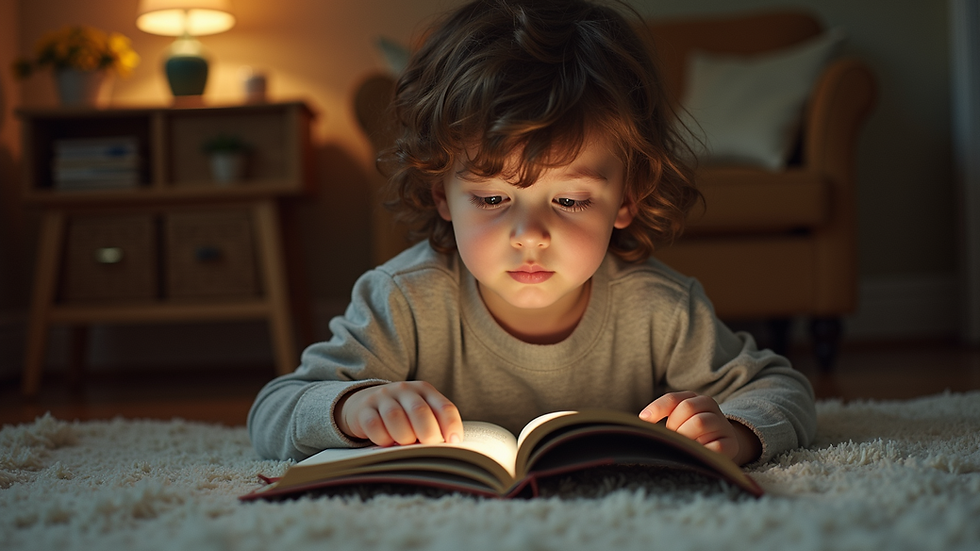
Create a Family Reading Time: Set aside time each week for family members to read together. This can foster discussions about the themes and lessons learned from the books.
Discuss Key Takeaways: After reading a book, hold a family meeting to discuss key takeaways and how they can be applied to your family life.
Set Goals Together: Use insights from the books to set family goals, whether it’s improving communication, spending more time together, or addressing specific challenges.
Seek Professional Guidance: If you find that certain issues persist, consider seeking the help of a family counselor who can provide tailored support.
Conclusion
Books can be powerful tools for family growth and counseling support. By exploring the recommended titles, families can gain valuable insights and strategies to strengthen their relationships and navigate challenges. Remember, the journey toward a healthier family dynamic is ongoing, and the knowledge gained from these books can serve as a foundation for lasting change.
Take the first step today by picking up one of these books and starting a conversation with your family. The path to growth and understanding begins with a single page.

Comments